Fresno, California
City of Fresno groundwater / surface blend. California sewer rules are district rules. Open the 2025 Water Quality Report. We did not invent grains.
This city’s report did not print a number we can put on the chart. Open the current water-quality report. We do not invent a value.
On the report
- Hardness
- Printed in the city’s annual Water Quality Report. This file does not copy a ~9 gpg blog figure. — City of Fresno Water Quality and Testing page
- Disinfectant
- Open the 2025 Water Quality Report for chlorine vs chloramine. — City of Fresno Water Quality and Testing page
- Brine / salt to the sewer
- Check the sanitation district before installing. California lets a sanitation agency restrict brine. Fresno is not LACSD / Measure S. Ask the agency on the sewer bill before you cut a drain.
Also around here
Extra context besides the utility report and the chart above — geology, an unregulated table, or a published study. Not a second set of printed tap numbers.
- MicroplasticsWHO’s 2019 review examined studies that found microplastic particles in treated tap and bottled water in many places. That is a published-occurrence finding, not a number from this city’s water-quality report, and we do not invent a particles-per-liter count for the tap.Microplastics in drinking-water — World Health Organization
- NitrateThe Central Valley Water Board’s CV-SALTS program exists because elevated nitrate and salinity in valley groundwater are a documented regional problem. That is basin groundwater, not a number we copied as this city’s tap average.Central Valley Salinity Alternatives for Long-Term Sustainability (CV-SALTS) — Central Valley Regional Water Quality Control Board
- NitrateThe same USGS map flags nitrate vulnerability in basins near Phoenix and in California’s San Joaquin and Santa Ana Inland basins. Not a printed city-tap average.Maps of estimated nitrate and arsenic concentrations for basin-fill aquifers of the southwestern United States — U.S. Geological Survey (SIM 3234)
- ArsenicUSGS mapped predicted arsenic in southwestern basin-fill aquifers across Arizona, California, Colorado, Nevada, New Mexico, and Utah. That is a groundwater-vulnerability map, not this city’s finished-water average.Maps of estimated nitrate and arsenic concentrations for basin-fill aquifers of the southwestern United States — U.S. Geological Survey (SIM 3234)
- PFASEPA’s Fifth Unregulated Contaminant Monitoring Rule required community systems this size to test 29 PFAS and lithium in 2023–2025. Open the UCMR 5 Data Finder for this PWS. This file does not invent a detection.Fifth Unregulated Contaminant Monitoring Rule — U.S. Environmental Protection Agency
What actually fits
Some links are affiliate links. If you buy through one, we may earn a commission. That does not change the match, and it is not a medical claim.
As an Amazon Associate we earn from qualifying purchases.
If a dealer is selling hardness equipment
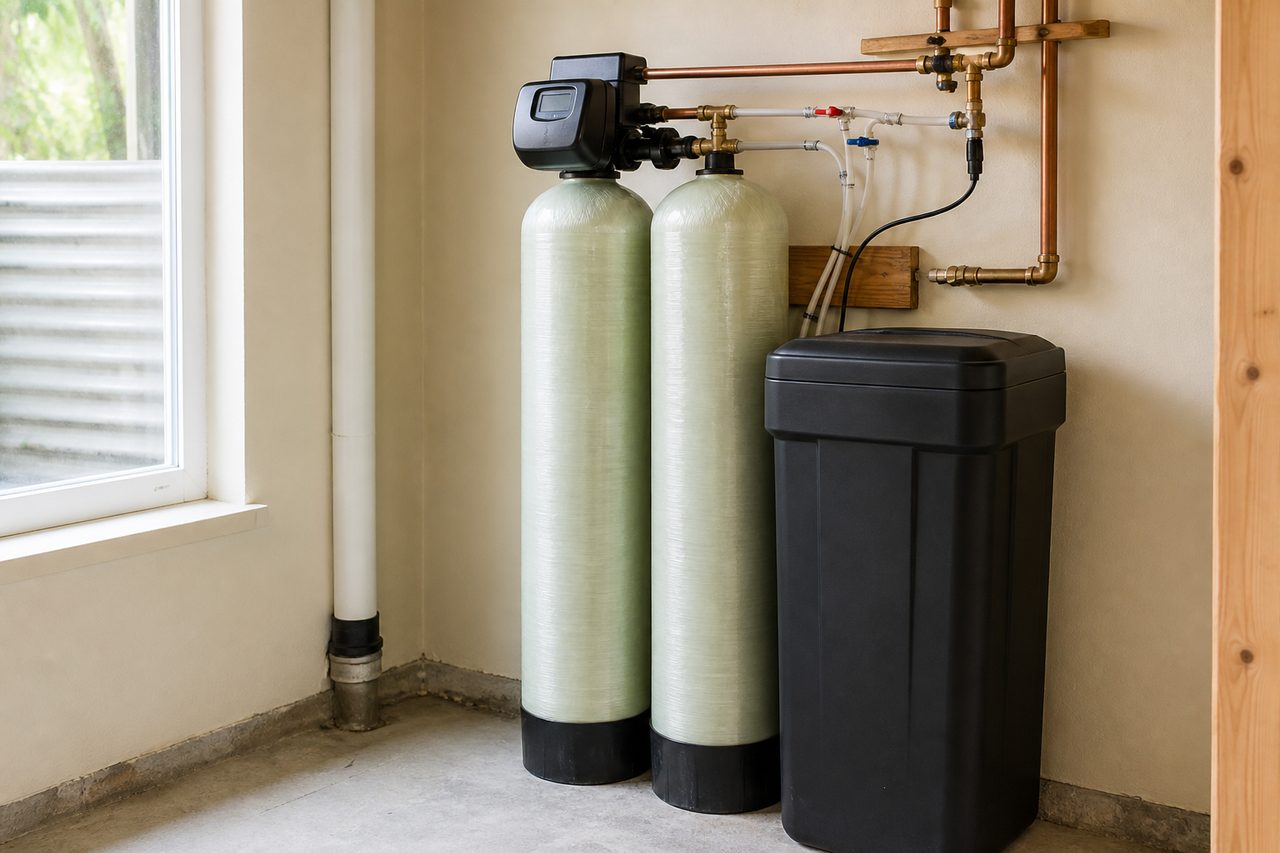
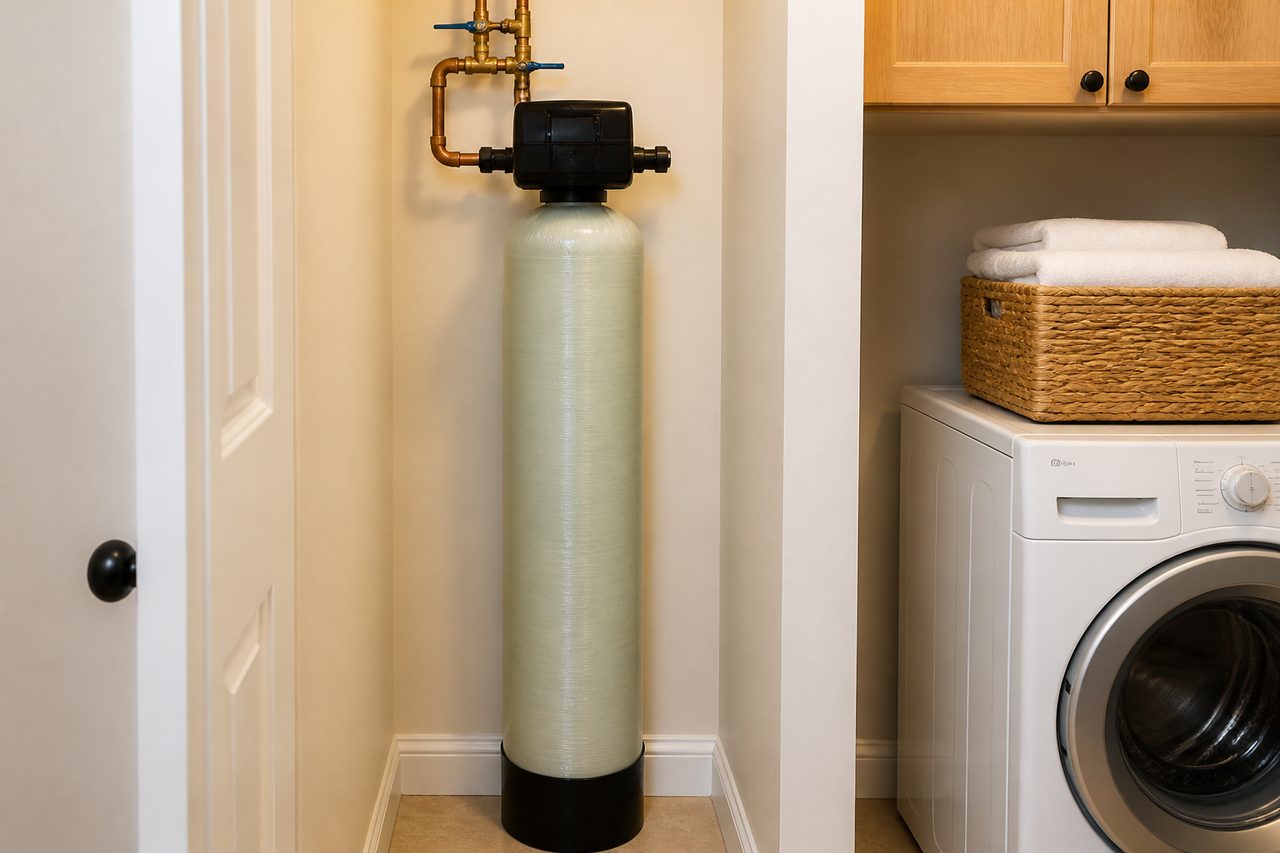
Open the current CCR for grains. This file does not invent a number from a ranking site. A salt softener needs a drain if it is legal at the address.
Shop salt-based softenersShop salt-free conditionersShop water test kits
If the water tastes like the plant’s disinfectant
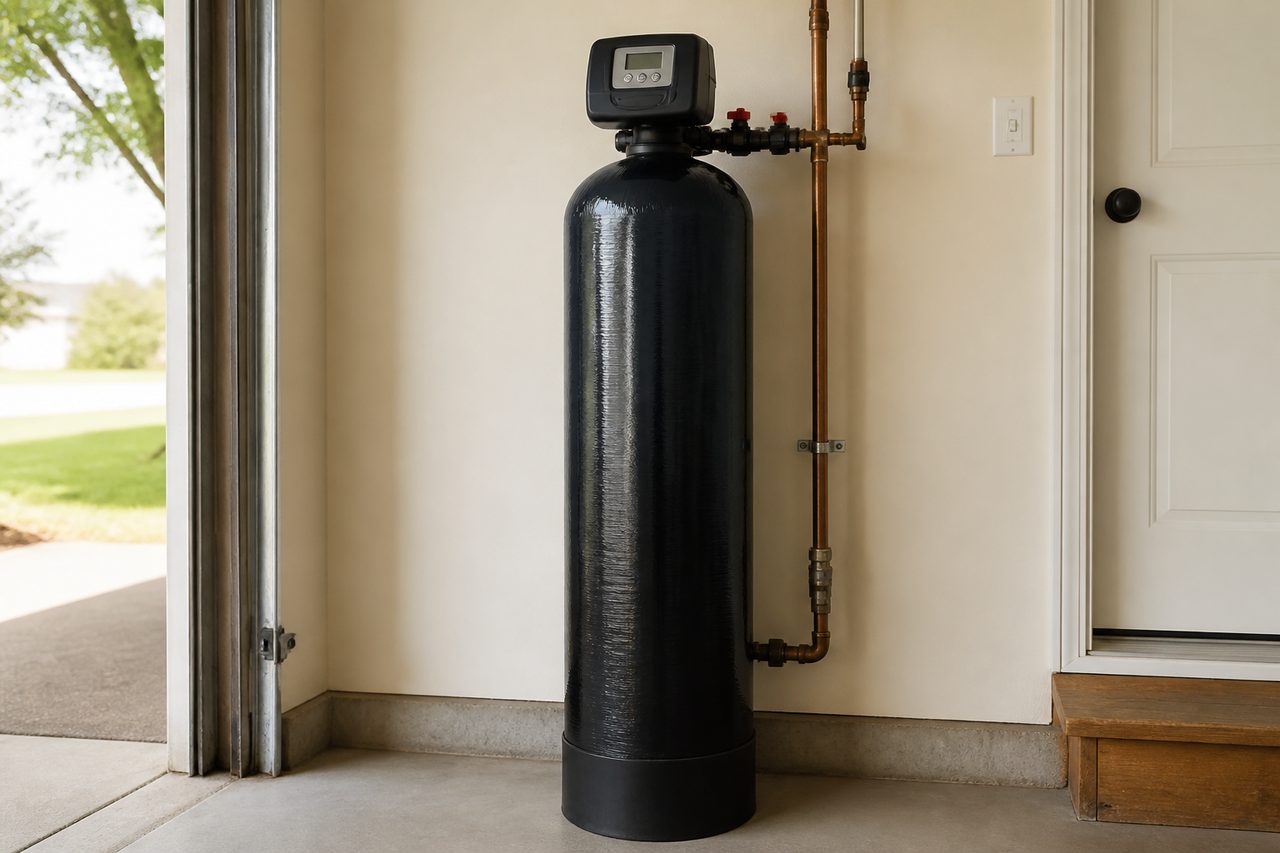
Open the CCR for chlorine vs chloramine, then match that claim. A 42 chlorine listing is not chloramine.
If you are shopping a PFAS listing for the kitchen
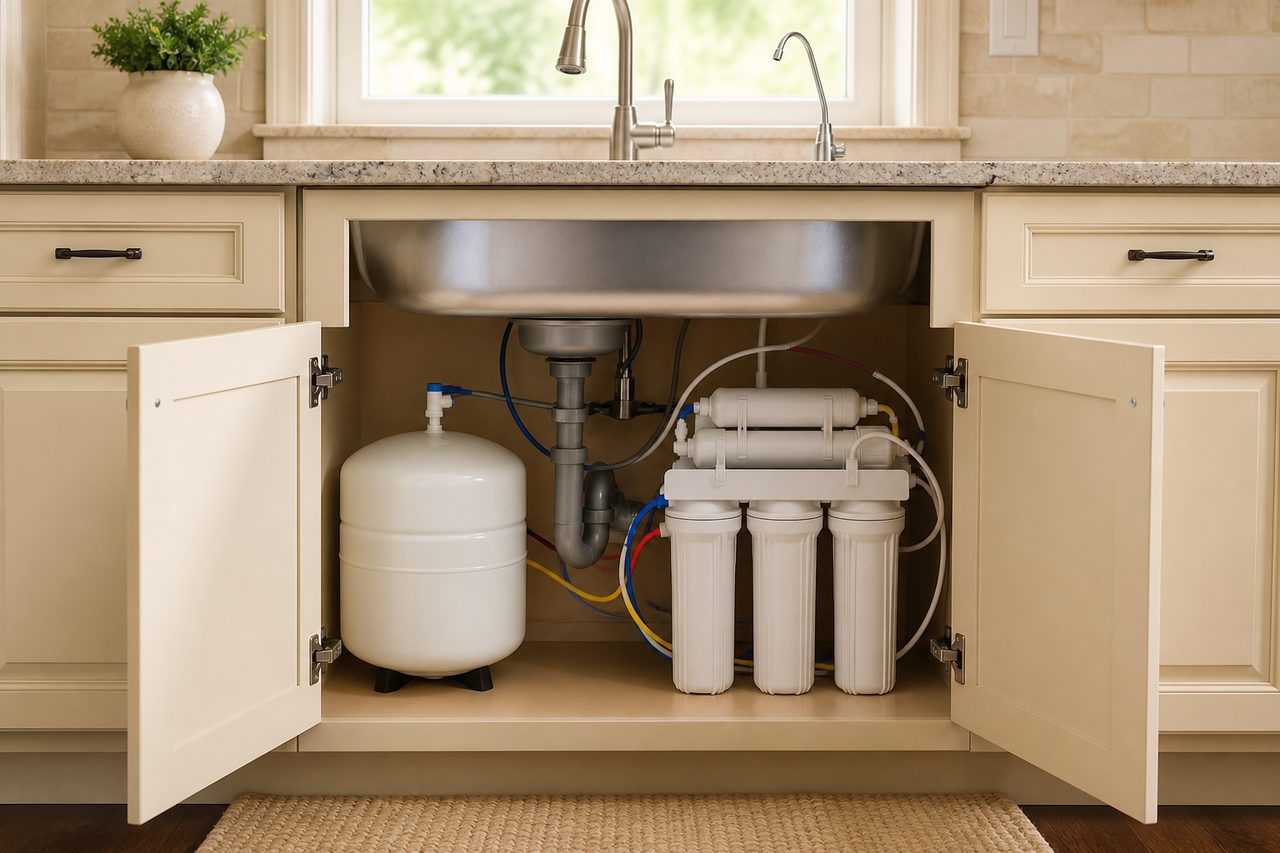
The under-sink RO we actually run is Cloud RO — NSF/ANSI 58, kitchen tap, not a whole-house tank. Check the exact listing if PFAS is why you are shopping. Waterdrop is a tankless option if you want that path. A certifier-listed pitcher is the cheap first step. Nobody is paying for a medical claim.
Shop Cloud ROShop Waterdrop reverse osmosisShop PFAS-listed pitchers
If you have not tested the tap
A homeowner kit is a start. It is not a state-certified lab. Use a certified lab when the decision is expensive.
Sources
- Water Quality and Testing — City of Fresno. Accessed 2026-08-31.
Updated August 31, 2026. A city file is chemistry we can cite plus the sewer rule. No invented detections.