Miami, Florida
Miami-Dade WASD, Biscayne Aquifer, lime-softened at the plants. Chloramine in the pipes. Hardness is not printed as a grains number on the 2024 table we opened.
- Chloramine2.7 ppm (0.1–4.0)
On the report
- Water utility
- Miami-Dade Water and Sewer Department
- Hardness
- The 2024 WASD report describes lime treatment to reduce hardness. It does not print a finished-water grains number we would put on a bar. This file does not use a USGS county estimate. — Miami-Dade 2024 Water Quality Report
- Disinfectant
- Chlorine, then ammonia to form chloramine. 2024 table: chloramines 2.7 ppm (0.1–4.0). — Miami-Dade 2024 Water Quality Report
- Brine / salt to the sewer
- No district prohibition found in current research. No Miami-Dade WASD brine-to-sewer ban like Measure S turned up. Ask the sewer side of the bill.
Also around here
Extra context besides the utility report and the chart above — geology, an unregulated table, or a published study. Not a second set of printed tap numbers.
- MicroplasticsWHO’s 2019 review examined studies that found microplastic particles in treated tap and bottled water in many places. That is a published-occurrence finding, not a number from this city’s water-quality report, and we do not invent a particles-per-liter count for the tap.Microplastics in drinking-water — World Health Organization
- Saltwater in the Biscayne aquiferUSGS maps the inland saltwater interface at the base of the Biscayne aquifer, Miami-Dade’s primary drinking-water aquifer. That is an aquifer-base chloride contour, not a finished-tap number.USGS represented the interface with the 1,000 mg/L chloride contour at the aquifer base in 2022 — not Miami-Dade finished tap.Approximate inland extent of saltwater intrusion at the base of the Biscayne aquifer, Miami-Dade County, Florida, 2022 — U.S. Geological Survey (SIM 3541)
- PFASEPA’s Fifth Unregulated Contaminant Monitoring Rule required community systems this size to test 29 PFAS and lithium in 2023–2025. Open the UCMR 5 Data Finder for this PWS. This file does not invent a detection.Fifth Unregulated Contaminant Monitoring Rule — U.S. Environmental Protection Agency
What actually fits
Some links are affiliate links. If you buy through one, we may earn a commission. That does not change the match, and it is not a medical claim.
As an Amazon Associate we earn from qualifying purchases.
If a dealer is selling hardness equipment
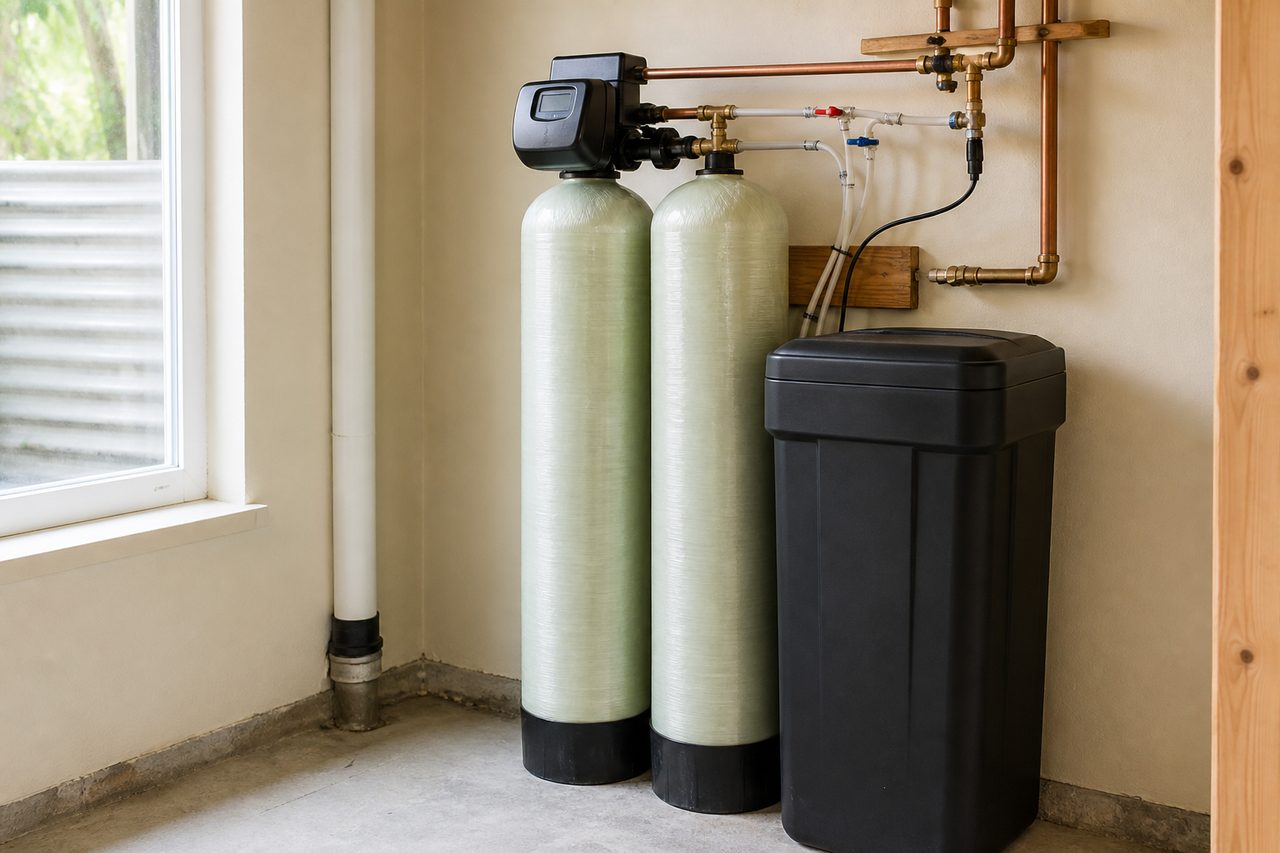
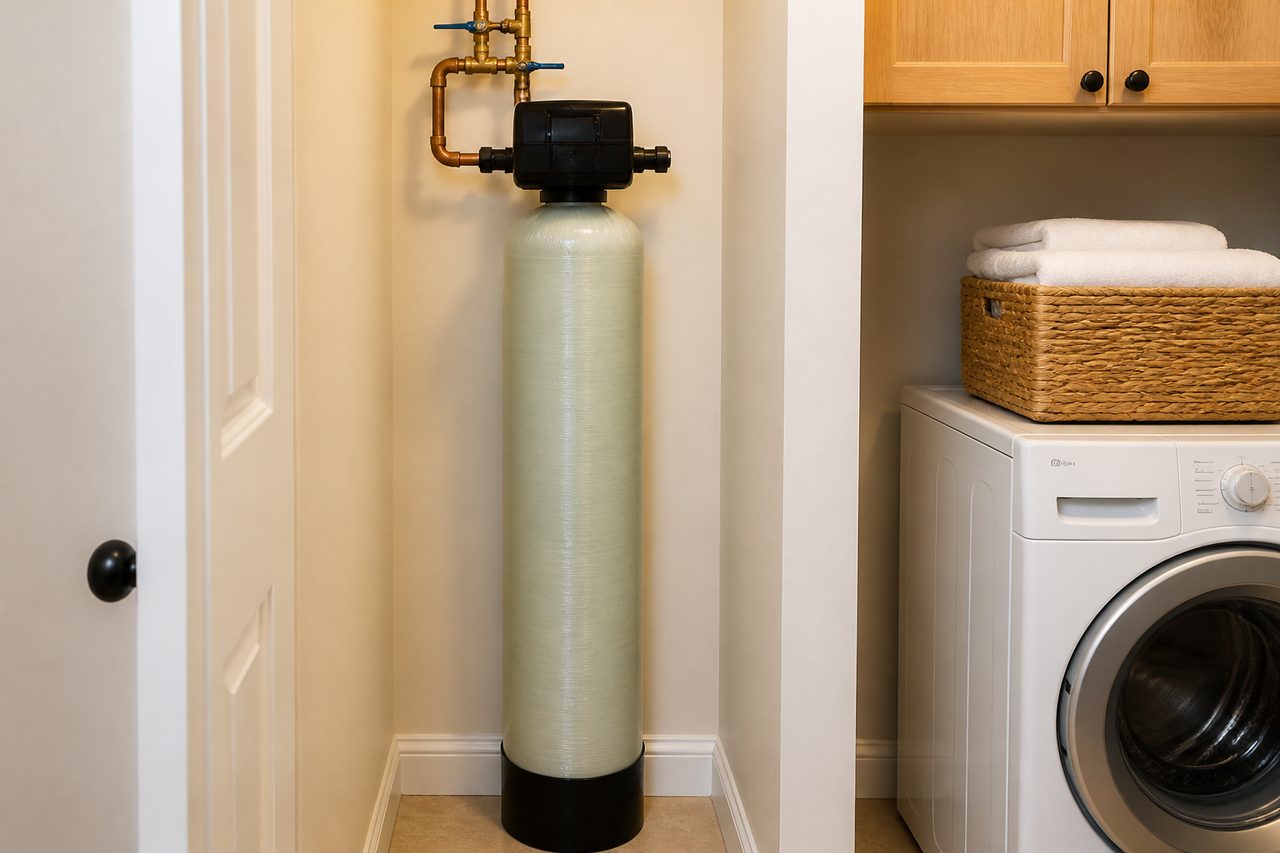
Open the current CCR for grains. This file does not invent a number from a ranking site. A salt softener needs a drain if it is legal at the address.
Shop salt-based softenersShop salt-free conditionersShop water test kits
If the water tastes like pool-plus-ammonia
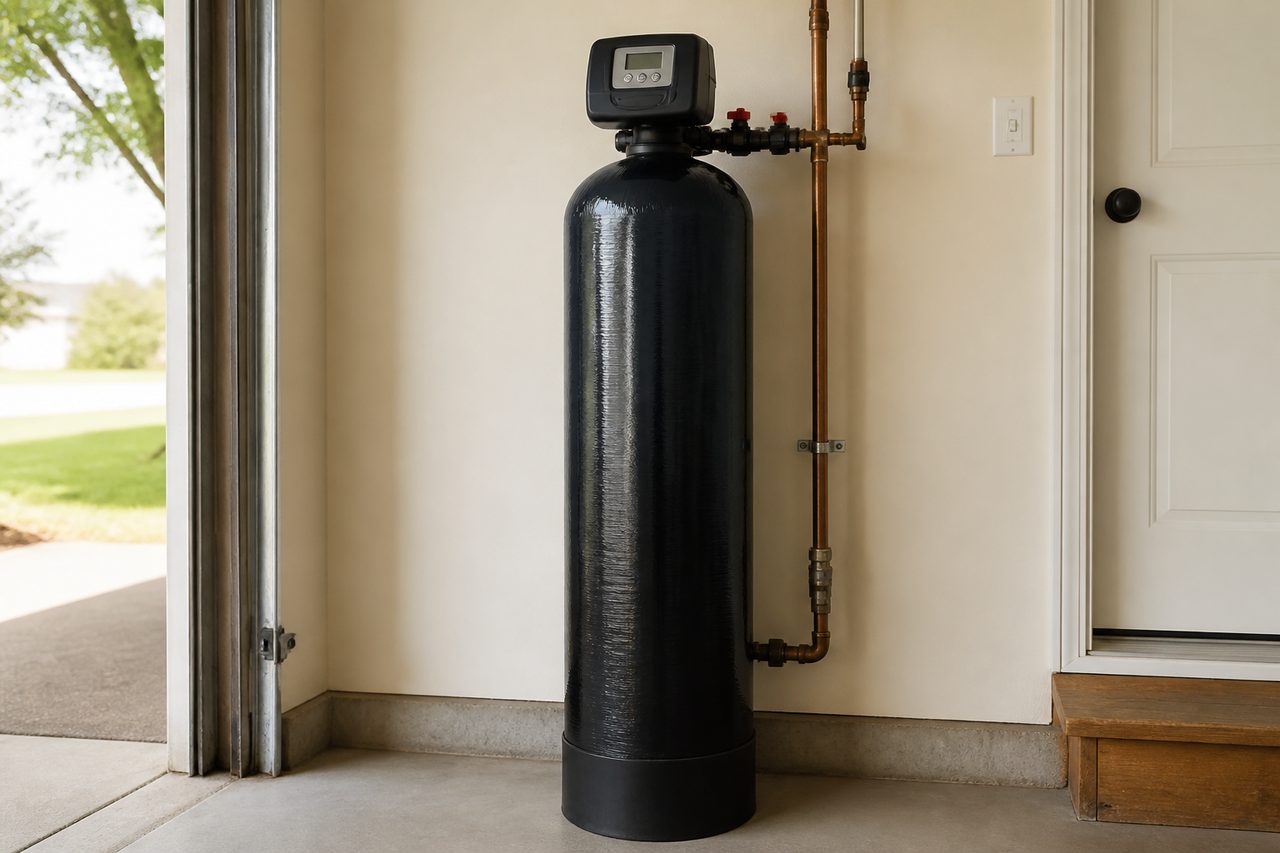
Catalytic carbon with a chloramine claim (NSF/ANSI 42 for chloramine). Regular chlorine carbon is the wrong box.
If you are shopping a PFAS listing for the kitchen
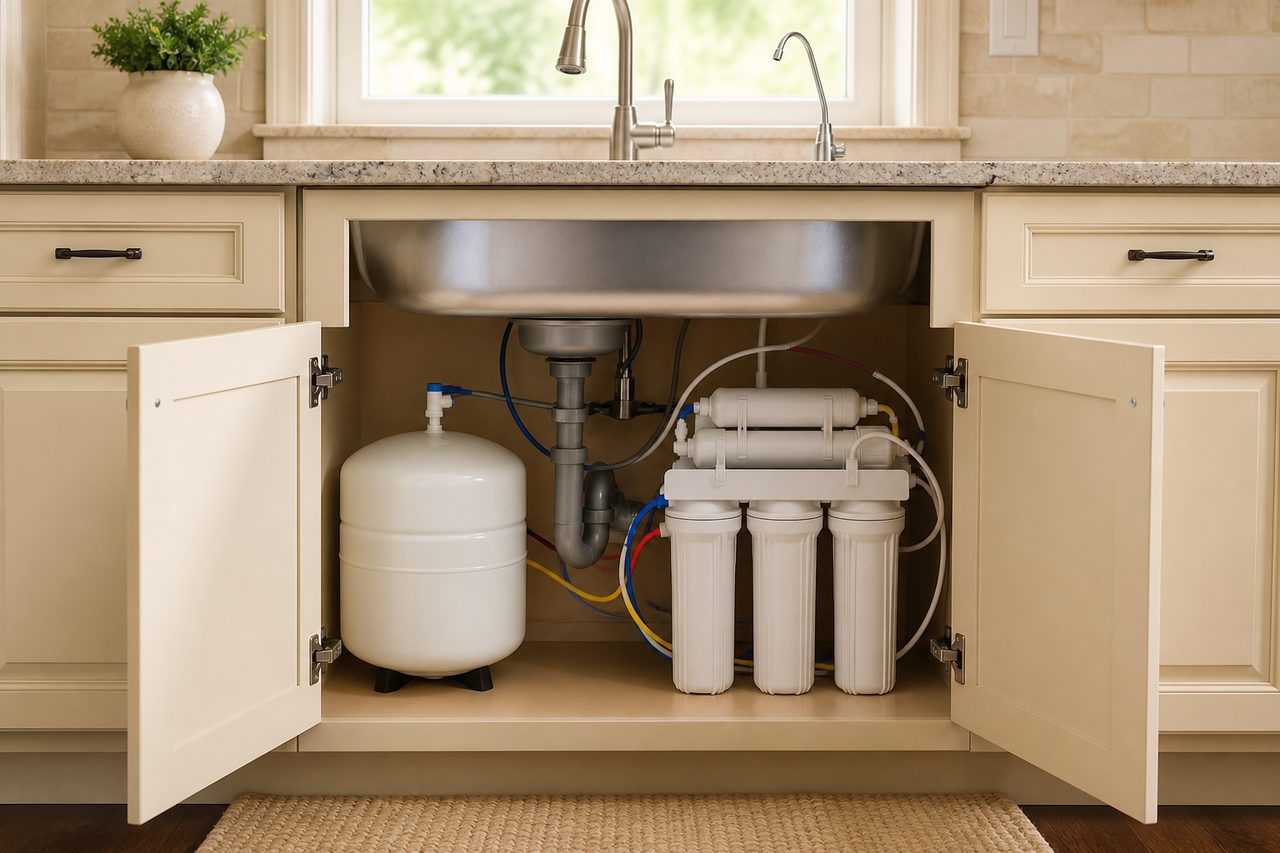
The under-sink RO we actually run is Cloud RO — NSF/ANSI 58, kitchen tap, not a whole-house tank. Check the exact listing if PFAS is why you are shopping. Waterdrop is a tankless option if you want that path. A certifier-listed pitcher is the cheap first step. Nobody is paying for a medical claim.
Shop Cloud ROShop Waterdrop reverse osmosisShop PFAS-listed pitchers
If you have not tested the tap
A homeowner kit is a start. It is not a state-certified lab. Use a certified lab when the decision is expensive.
Sources
- 2024 Water Quality Report — Miami-Dade WASD. Accessed 2026-08-31.
Updated August 31, 2026. A city file is chemistry we can cite plus the sewer rule. No invented detections.