Denver, Colorado
Denver Water 2026 WQR: total hardness about 105 mg/L (55–124). Chloramine residual. Moderately hard mountain water, not a desert sizing file.
Colorado · Salt-softener legality
- Hardnessavg 105 mg/L
- Total chlorinechloramine residual
What to do in Denver
Salt-based water softener
No district prohibition on a brine drain turned up.
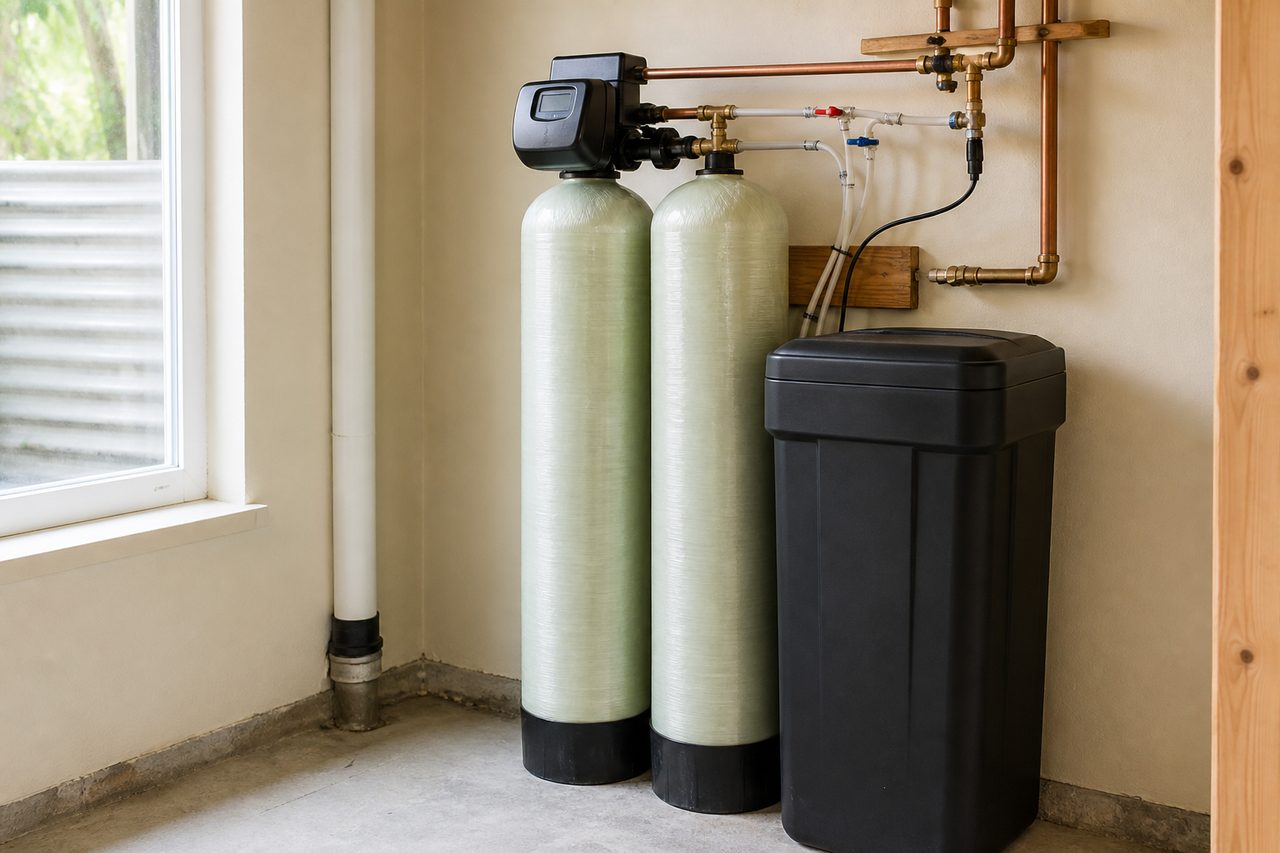
A salt-based softener is the thing that actually removes hardness. Size it from your grains and how much water you use, not bathroom count. It needs a drain.
Hard water. A salt softener is the box that actually removes it.
Amazon lists shipping and returns on that product page. We do not warehouse the equipment.
Also for the kitchen
Under-sink reverse osmosis
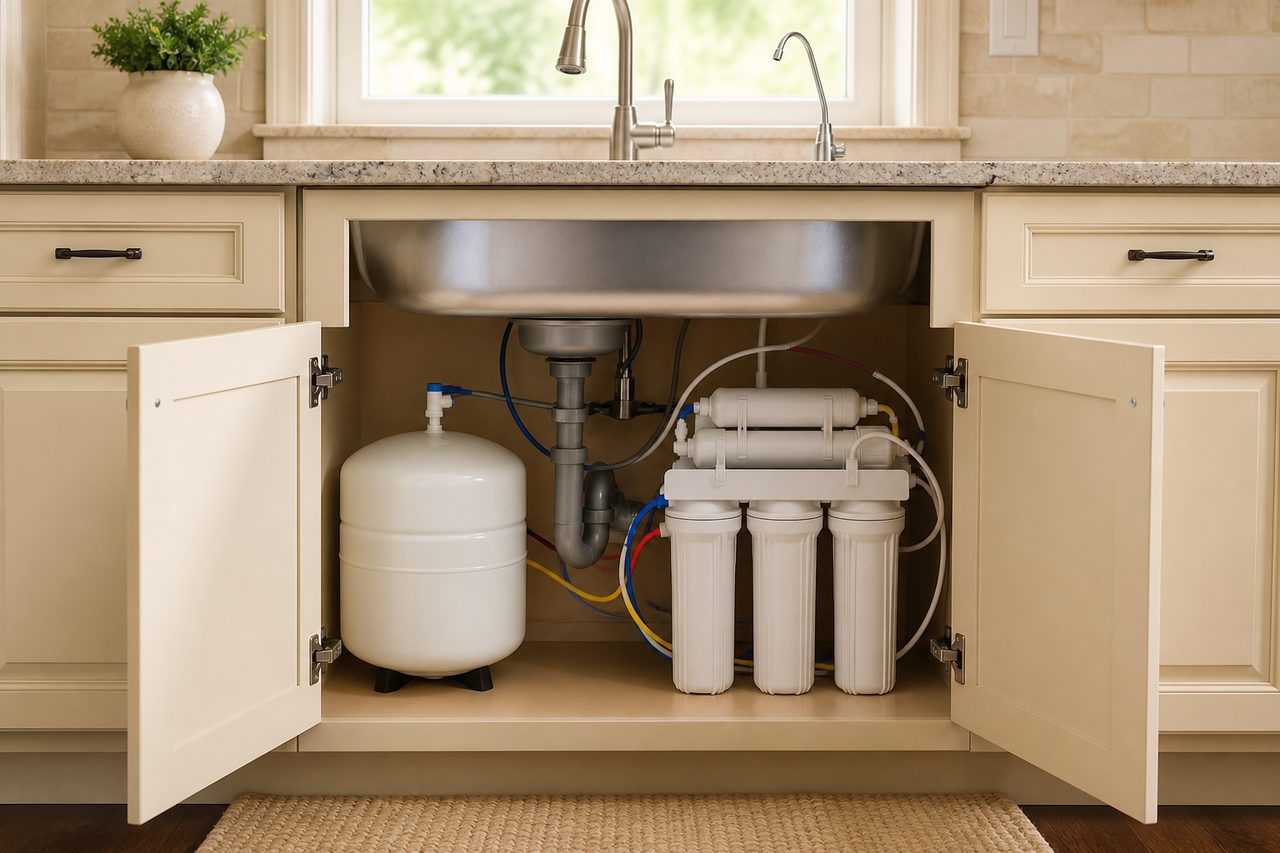
Cloud RO is an under-sink reverse osmosis system — NSF/ANSI 58, kitchen tap, not a whole-house tank. The primary button is a tagged Amazon under-sink RO listing. Cloud buy-direct and Waterdrop sit under that. Check the exact listing if PFAS is why you are shopping. A certifier-listed pitcher is the cheap first step.
Buy Cloud RO directShop Waterdrop reverse osmosisShop PFAS-listed pitchers
Some links are affiliate links. If you buy through one, we may earn a commission. That does not change the match, and it is not a medical claim.
As an Amazon Associate we earn from qualifying purchases.
Other options that still fit
Salt-free conditioner
A salt-free conditioner changes how scale sticks. It does not soften. Soap and spots stay closer to untreated. No brine line.
Whole-house catalytic carbon for chloramine
Catalytic carbon with a chloramine claim (NSF/ANSI 42 for chloramine). Regular chlorine carbon is the wrong box.
Test the tap first
A homeowner kit is a start. It is not a state-certified lab. Use a certified lab when the decision is expensive.
Softener vs carbon vs under-sink RO
A sketch for Denver, tied to the best match above. Not a quote.
| Box | What it does | Ballpark (estimate) |
|---|---|---|
| Salt-based softenerBest match | Removes hardness. Needs a drain. Illegal in some sewer districts. | About $800–$2,500 for a common residential unit (equipment). Installed jobs run higher. |
| Whole-house carbon | Chlorine or chloramine taste — match the listing. Does not soften. | About $400–$1,800 for a typical tank-and-head kit (equipment). |
| Under-sink reverse osmosisBest match | Kitchen tap. Check NSF/ANSI 58 if PFAS or nitrate is why you are shopping. | About $200–$600 on Amazon search; named under-sink units vary. |
These are ballpark equipment ranges, not installed quotes and not what a dealer will write on a kitchen-table sheet. Prices move. Confirm the sewer rule before you price a brine tank.
On the report
- Water utility
- Denver Water
- Hardness
- 2025 sampling in the 2026 Water Quality Report: total hardness average 105,009 ppb (about 105 mg/L as CaCO3), range 55,000–124,000 ppb (55–124 mg/L). Moderately hard on the Usgs scale. — Denver Water 2026 Water Quality Report (2025 data)
- Disinfectant
- Total chlorine residual in the distribution system (chloramine). Denver Water reports total chlorine, not free-chlorine-only. — Denver Water 2026 Water Quality Report; Denver Water treated-water reporting practice (total chlorine)
- Sanitation district
- Metro Water Recovery / City wastewater (confirm on the sewer bill)
- Brine / salt to the sewer
- No district prohibition found in current research. No Denver Water or Metro Wastewater prohibition comparable to LACSD Measure S turned up. Ask the sewer utility on the bill. This is not a legal opinion.
How to get your water tested
The report on this page is for the public water system. It is not a test of the faucet in one house. Pipes inside a house can change the water.
For a test of your own tap, use a laboratory on the Colorado Department of Public Health and Environment list of certified drinking-water labs.
If your water comes from a private well, test it once a year. A city water report does not cover a private well.
Also around here
Extra context besides the utility report and the chart above — geology, an unregulated table, or a published study. Not a second set of printed tap numbers.
- MicroplasticsWHO’s 2019 review examined studies that found microplastic particles in treated tap and bottled water in many places. That is a published-occurrence finding, not a number from this city’s water-quality report, and we do not invent a particles-per-liter count for the tap.Microplastics in drinking-water — World Health Organization
- PFASEPA’s Fifth Unregulated Contaminant Monitoring Rule required community systems this size to test 29 PFAS and lithium in 2023–2025. Open the UCMR 5 Data Finder for this PWS. We do not invent a detection.Fifth Unregulated Contaminant Monitoring Rule — U.S. Environmental Protection Agency
Questions we can answer from the report
How hard is Denver tap water?
2025 sampling in the 2026 Water Quality Report: total hardness average 105,009 ppb (about 105 mg/L as CaCO3), range 55,000–124,000 ppb (55–124 mg/L). Moderately hard on the Usgs scale. Source: Denver Water 2026 Water Quality Report (2025 data).
Does Denver use chlorine or chloramine?
Total chlorine residual in the distribution system (chloramine). Denver Water reports total chlorine, not free-chlorine-only. Source: Denver Water 2026 Water Quality Report; Denver Water treated-water reporting practice (total chlorine).
Is a salt-based water softener legal in Denver?
No district prohibition found. No Denver Water or Metro Wastewater prohibition comparable to LACSD Measure S turned up. Ask the sewer utility on the bill. This is not a legal opinion. No district prohibition on a brine drain turned up. This is not a legal opinion.
What should I do about Denver tap water?
Salt-based water softener. A salt-based softener is the thing that actually removes hardness. Size it from your grains and how much water you use, not bathroom count. It needs a drain. If the job is drinking water at the kitchen, under-sink reverse osmosis is the usual path. Cloud RO is the preferred Amazon listing on this site (tag tapmatch-20). We do not claim we use it.
Sources
- 2026 Water Quality Report — Denver Water. Accessed 2026-08-31.
Updated August 31, 2026. Numbers here are what the utility's report or the state record printed, plus the sewer rule. No invented detections.